
Liverpool in New South Wales is rapidly evolving from a traditional outer suburb into a thriving and multifaceted urban centre. Located about 32 kilometres southwest of the Sydney CBD, it has become one of the most talked about areas for first time buyers navigating the competitive Sydney property market. With a diverse community, improving infrastructure, and a wide range of housing options, Liverpool presents both opportunities and considerations for new home purchasers.
A Dynamic and Historic Community
Liverpool has deep roots in Australia’s colonial history, being one of the oldest European settlements in the country. Over time it has transitioned from a largely residential suburb to become a major commercial and administrative hub within Greater Western Sydney. This transformation brings a unique blend of heritage sites, contemporary amenities, and ongoing development projects.
Today, Liverpool’s community is known for its cultural diversity and lively population, drawing in families, young professionals, students, and retirees alike. The suburb’s demographics reflect a mix of backgrounds and lifestyles, adding to its vibrant character.
Location and Connectivity
One of Liverpool’s standout features for first time buyers is its accessibility. Positioned strategically in Sydney’s southwest, it offers excellent transport links. The Liverpool train station connects to multiple lines that service Sydney’s CBD and other significant centres, and an extensive bus network complements those rail services, providing convenient commuting options. Major roads such as the Hume Highway, South Western Motorway, and links to the M7 make car travel straightforward.
These transport connections are especially valuable for first time buyers who may work in different parts of Sydney or who prioritise commute flexibility. Future infrastructure plans, including extensions of mass transit services, are expected to further enhance Liverpool’s connectivity.
Housing Market and Property Trends
For first time buyers, Liverpool holds strong appeal due to its relatively affordable property prices compared to much of Sydney. As of early 2025, median house prices hover around the lower end of Sydney’s market, with units and older apartments often more affordable for entry level budgets.
The suburb has consistently featured as one of New South Wales’ most active areas for first home buyers, particularly in recent quarters. Data shows Liverpool’s property market recording high sales volumes to first timers, driven by a combination of price accessibility, infrastructure, and employment prospects.
Despite strong demand and growing median prices, especially for houses, there are still opportunities for buyers to enter the market with smaller budgets if they consider apartments or townhouses. A range of housing stock—from established homes to newer developments—gives buyers the flexibility to choose what aligns with their financial comfort and lifestyle needs.
Lifestyle and Local Amenities
Liverpool is much more than a commuter suburb. It offers comprehensive amenities and lifestyle infrastructure that appeal to new homeowners. The suburb’s major retail hub, Westfield Liverpool, provides extensive shopping, dining, and entertainment options, making everyday life convenient without leaving the area.
In addition to retail, residents enjoy green spaces, parks, and leisure facilities. The Georges River and various reserves offer outdoor recreation opportunities, while community spaces like Bigge Park provide venues for local events and relaxation.
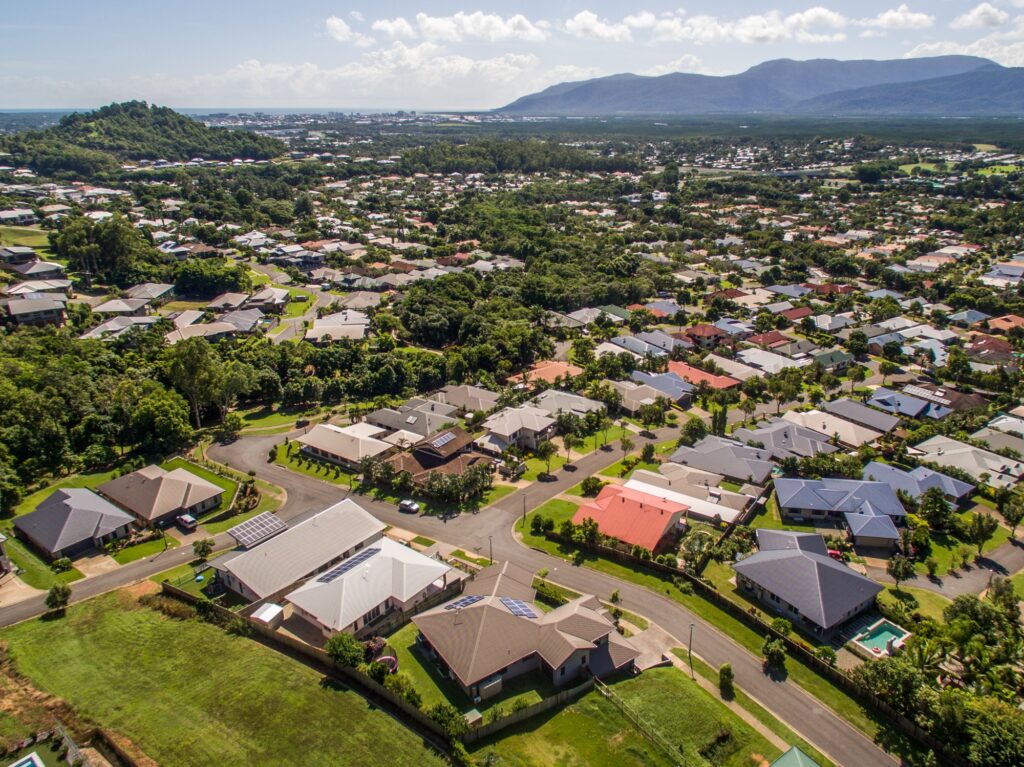
Education is another strong point. Liverpool has numerous primary and secondary schools, alongside tertiary institutions such as the University of Wollongong’s South Western Sydney campus and TAFE NSW. These options are particularly attractive to young families and buyers planning for long term living.
Healthcare amenities are also well established, with Liverpool Hospital serving as one of the largest medical facilities in New South Wales—an important consideration for families and professionals alike.
Community and Culture
Liverpool’s multicultural environment brings a rich tapestry of cultural experiences. From diverse dining options to festivals and community events, residents can often enjoy a blend of cultural influences right in their neighbourhood. The suburb’s history and evolving urban spaces contribute to a sense of identity that appeals to a broad range of buyers.
However, prospective buyers should also take time to understand Liverpool’s social fabric. Like any major urban area, there are variations in neighbourhood character, and sections of the suburb have higher rates of social housing and associated socioeconomic challenges. Taking the time to visit, explore local streets, and speak with current residents can provide valuable insight beyond what statistics offer.
Infrastructure and Future Growth
The future looks promising for Liverpool in terms of infrastructure and development. Projects such as the expansion of the health and academic precinct, civic centre upgrades, and improved transport corridors all signal long term growth potential. These developments can contribute positively to property values and quality of life for residents.
The upcoming Western Sydney International Airport and improved rapid transit links create added prospects for employment and connectivity, not just within Liverpool but across the broader region. Buyers who consider the suburb’s future infrastructure are often better positioned to benefit from long term capital growth.
What First Time Buyers Should Consider
Entering the property market for the first time can be overwhelming, and Liverpool’s dynamic market adds both opportunity and complexity. First time buyers should consider several factors before committing:
Understanding affordability and financing options is vital. With government schemes such as the First Home Buyers Guarantee and shared equity programs now available nationally, buyers might enter the market sooner than they had imagined—especially if their target property falls within current price caps.
Budgeting for all associated costs—like stamp duty, inspections, legal fees, and potential strata levies for apartments—is essential. It’s also wise to plan for future needs, such as work commute times, school access, and lifestyle preferences, rather than making decisions based solely on price.
Another smart strategy is to inspect properties in person. Photos and online listings only tell part of the story; viewing homes in different weather conditions and times of day can reveal much about traffic, noise, neighbourhood vibe, and general livability. Engaging a local conveyancer or mortgage broker early on can help clarify financial readiness and timelines.


