
Hornsby, located on the Upper North Shore of Sydney, New South Wales, is a well established suburb that marries leafy natural surroundings with strong transport links and a dynamic property market. Positioned about 25 km north west of the Sydney central business district, Hornsby has evolved beyond a simple residential area into a thriving local hub with a rich lifestyle offering that appeals to families, professionals, and investors alike.
Lush Natural Environment and Outdoor Lifestyle
One of the defining features of Hornsby is its abundant greenery and proximity to significant natural attractions. The suburb adjoins bushland and reserves, with the expansive Berowra Valley National Park offering endless opportunities for outdoor activities like bushwalking, cycling, picnicking, and bird watching. Local walking trails such as the Great North Walk attract nature enthusiasts seeking tranquil escapes from urban life.
In recent years, there’s been a strong focus on enhancing public open spaces within the suburb itself. For instance, the transformation of the former Hornsby Quarry into Hornsby Park—a major parkland featuring shared paths, recreational facilities, and lookouts—is underway, with initial stages expected to open by 2026.
Hornsby’s leafy streets and tree canopy contribute both to its aesthetic appeal and its relaxed, healthy lifestyle. Around 59 % of the area is covered by trees, one of the highest proportions in Greater Sydney, creating a green, serene backdrop for daily living.
This connection with nature extends beyond formal parklands. Local reserves, playgrounds, ovals, and riverine environments such as nearby Hawkesbury River offer recreation options that attract mountain bikers, anglers, and families.
Transport Connectivity and Accessibility
Transport links are among Hornsby’s strongest assets. The Hornsby railway station is a major junction on both the North Shore and Northern railway lines, providing frequent train services to the Sydney CBD and beyond. Commuters can reach the heart of the city by train in about 40–50 minutes, depending on connections, and intercity/regional trains also serve the station for travel toward the Central Coast and Newcastle.
Complementing rail services, a network of buses operated by CDC NSW connects Hornsby with surrounding suburbs, including Hornsby Heights, Westleigh, Normanhurst, Thornleigh, Wahroonga, and beyond. For drivers, proximity to the Pacific Highway and major arterial roads offers smooth access to Sydney’s broader motorway network.
Hornsby’s transport connectivity is a catalyst for its ongoing development. The suburb is part of the NSW Government’s Transport Oriented Development (TOD) program, which aims to increase housing supply and vibrancy around major transit hubs. Rezoning under this program is expected to deliver over 6,000 new homes and a host of community amenities, while promoting walkability and active transport links like bike paths.
This focus on accessibility also aligns with broader local travel patterns. Within the Hornsby Shire, a significant proportion of residents commute via public transport compared with broader Sydney averages, highlighting the region’s reliance on and benefit from robust transit options.
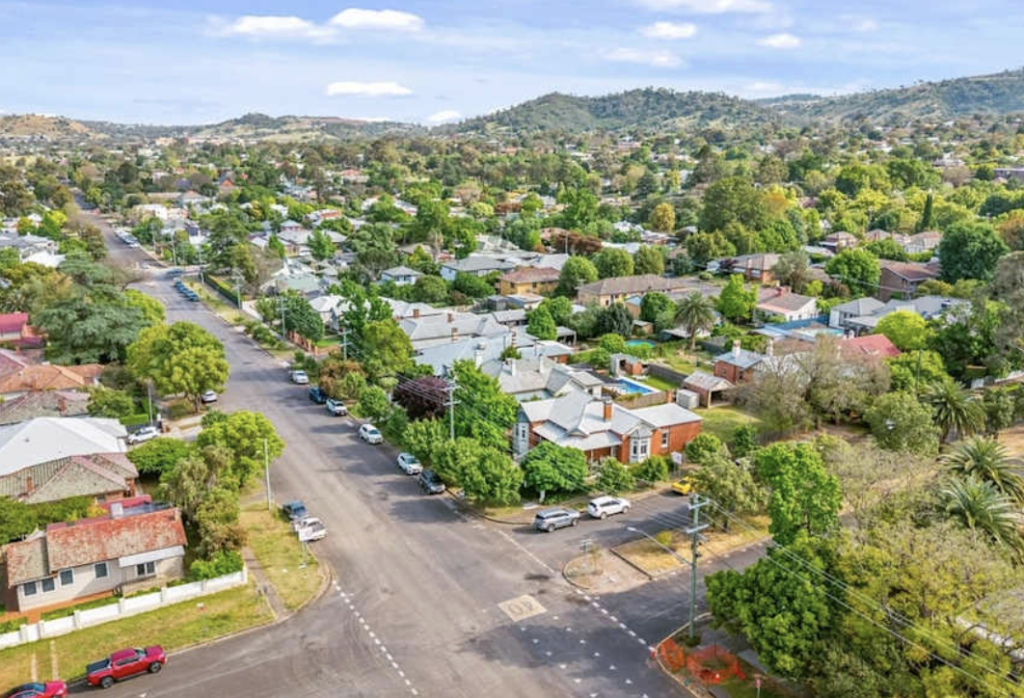
Community, Amenities, and Lifestyle
The lifestyle in Hornsby balances suburban comfort with urban convenience. It hosts a lively town centre anchored by Westfield Hornsby, a major retail and entertainment destination featuring over 300 stores, cafés, cinemas, and essential services. Nearby shopping strips, weekly farmers’ markets, and a diverse range of dining options add to the suburb’s local charm.
Education is another key drawcard. Hornsby and its neighbouring districts offer a strong selection of schools, from early learning centres to reputable primary and secondary institutions. This makes the area especially attractive to families seeking long term community ties and quality schooling options.
While the local nightlife is more subdued compared to inner city precincts, Hornsby’s community atmosphere is robust and welcoming. A range of recreational clubs, sports fields, playgrounds, and cultural events help foster connection among residents. Safety ratings and family friendly amenities often feature positively in suburb reviews, contributing to Hornsby’s reputation as a desirable place to live.
The suburb’s demographic profile reflects its broad appeal: a mix of families, professionals, and older residents looking for a tranquil yet connected lifestyle. Home ownership sits alongside a strong rental sector, with nearly half of all dwellings rented, indicating a dynamic housing profile that caters to various segments of the market.
Property Market Trends: Growth and Diversity
Hornsby’s property market has demonstrated both stability and evolving buyer preferences. Median dwelling prices reflect the area’s desirability and proximity to Sydney while balancing value relative to some inner north and eastern suburbs. Current figures place median house prices in the vicinity of $1.8 million, with units averaging around $725,000, underscoring a broad spectrum of housing types and price points.
Over the past year, property values in Hornsby have seen modest growth, with units experiencing slightly stronger percentage increases than houses, indicating growing interest in more accessible living formats. Houses typically sell faster than units, reflecting enduring demand for family sized homes with outdoor space.
Rental trends in Hornsby also point to a lively market. Rents for houses have climbed significantly, outpacing unit rent growth, which highlights sustained demand for larger rental properties, often preferred by families and long term tenants.
Developers and investors are responding to shifting market preferences with a rise in townhouse and apartment offerings. These provide lower maintenance living and greater proximity to transport and amenities, catering to young professionals and downsizers who prioritise convenience.
Gentrification and redevelopment of older stock into modern residential complexes are underway, gradually reshaping Hornsby’s urban fabric. This evolution enhances the suburb’s appeal but also contributes to upward pressure on property values, particularly close to transport hubs.
Emerging Developments and Future Outlook
Hornsby’s long term prospects are strengthened by infrastructure and planning initiatives geared toward sustainable growth. The NSW Government’s accelerated precinct rezoning supports higher density development around transit nodes and enhancements to public spaces, parks, and community infrastructure.
Major projects like Hornsby Park and upgrades to local streetscapes and pedestrian networks further reinforce the suburb’s identity as a forward looking yet nature centric locale. Combined with ongoing town centre revitalisation plans, these initiatives are set to attract more residents and businesses, enhancing economic and social vibrancy.
While property values in Hornsby are already substantial relative to Sydney’s broader market, there remains potential for sustained demand driven by lifestyle appeal, connectivity, and strategic development. The suburb’s ability to blend leafy tranquillity with metropolitan accessibility continues to make it a compelling choice for diverse buyer and renter profiles.


