
Across the world urban expansion and population growth are reshaping how communities are planned. One of the most critical aspects of this change is education infrastructure — particularly the construction of new schools and upgrades to existing facilities in growing suburbs. As families seek affordable living, new jobs, and quality of life, local governments and education authorities are responding with ambitious long term plans to build, expand, and modernize educational infrastructure. This article explores three global examples of suburbs with future school infrastructure plans, why these investments matter, and what they mean for local communities.
Sydney’s North West: Responding to Rapid Growth
Sydney’s North West corridor — encompassing suburbs such as Tallawong, Schofields, and surrounding growth areas — has become one of Australia’s fastest expanding residential precincts. Fueled by housing developments, improved transport connectivity like new metro stations, and increasing family settlement, this region has seen dramatic increases in school age populations. In response, the government has initiated a historic infrastructure program focused on building and enhancing school facilities to meet future demand.
Construction has officially commenced on a new high school in Tallawong, designed to be a cornerstone of educational provision for the area. The new facility, planned to open by early 2027, will provide approximately 50 classrooms and facilities geared for science, technology, arts, culture, and sport. It has been conceptualized with future expansion in mind — an acknowledgment of the long term growth forecast around the Tallawong Metro Station and broader North West corridor.
This project is part of a wider portfolio that includes a slate of 230 new and upgraded public education facilities across New South Wales — the largest such program in the state’s history. Many of the historic demountable classroom blocks that once stood as stopgap measures are being replaced with permanent structures designed to support modern learning environments. The holistic strategy reflects a shift toward planning schools before the full community demand emerges, rather than retrofitting solutions after overcrowding becomes acute.
Northern Suburbs of Adelaide: Strategic Infrastructure Preservation
South Australia’s Greater Adelaide region, especially the rapidly growing northern suburbs like Eyre, has also been earmarked for significant future educational expansion. Urban planners and state authorities have identified and preserved land specifically for education as part of the Greater Adelaide Regional Plan — a visionary strategy that accounts for expected population increases and new housing developments over the next few decades.
At the heart of this effort is a new secondary school site identified in the northern suburbs. Slated for completion by 2028, the future high school is being developed on a 10 hectare parcel selected well ahead of construction. With a planned capacity to serve around 1,300 students, this institution represents how proactive land preservation — combined with targeted infrastructure investment — ensures schooling facilities can grow alongside residential communities.
Additionally, parts of Adelaide’s northern region are being considered for new primary and preschool facilities to supplement existing schools and alleviate pressure on local enrollments. The South Australian government has committed hundreds of millions of dollars into educational infrastructure, including preschool, primary, and secondary school projects to meet predicted demand.
These strategic investments also underscore an important planning principle: to accompany residential expansion with comprehensive social infrastructure — not only schools but also parks, transport, healthcare, and recreation — creating communities that are balanced and sustainable.
Perth’s North Eastern Suburbs: Expanding Capacity Amid Fast Population Growth
While Sydney and Adelaide reflect long range planning frameworks, Perth’s north eastern suburbs — including Caversham, Brabham, and surrounding communities — demonstrate how targeted investments are being directed toward immediate capacity challenges and future growth. Rapid population increases in these outer suburbs have put pressure on existing classrooms and learning facilities, prompting substantial infrastructure programs.
The Western Australian government has committed billions in funding for new and enhanced school facilities across the state — with a specific focus on high growth residential suburbs. Ongoing projects include new double storey teaching blocks, expanded early learning centres, and entirely new schools that accommodate hundreds of additional students. For example, Brabham Primary School’s Stage 2 expansion and the Caversham Valley Primary School upgrades will add new learning spaces, administration facilities, play areas, and modern classrooms to support community growth.
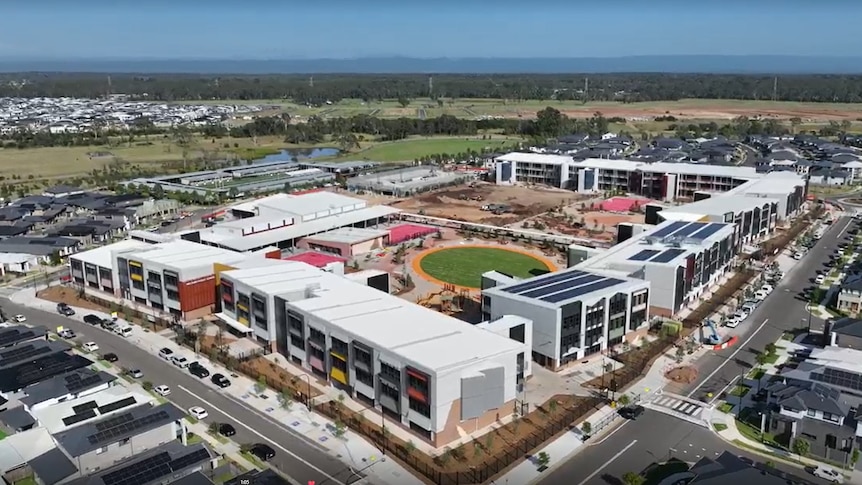
Moreover, long range planning anticipates a new high school in Brabham near future public transport stations such as the Whiteman Park Metronet. This kind of transport informed school placement reflects an integrated approach to urban design, ensuring that education facilities are not just available but also accessible for local families.
These developments underscore how some suburbs can balance short term needs — addressing overcrowding now — with long term visions that align education infrastructure with residential growth and transport planning.
Melbourne’s Suburban Expansion and Long Term Planning
Melbourne’s sprawling outer suburbs have also been the focus of comprehensive school infrastructure plans as part of broader state government commitments. The state of Victoria has pledged the construction and upgrade of numerous school facilities to meet demographic shifts in the south eastern, western, and northern suburban corridors. Planning funding has been directed towards multiple new primary and secondary schools, including specialist campuses to support diverse educational needs across its growth corridors.
The initiative aims to deliver a balance of new schools, expanded facilities, and specialist learning environments — with an eye toward ensuring local families have access to quality education close to home. This comprehensive strategy reflects not just reactive battle against overcrowding but a coordinated, funded approach to anticipate and accommodate future need.
Challenges in Urban Fringe Suburbs
The urge to build future school infrastructure plans in expanding suburbs also brings challenges. Rapid residential growth often outpaces the construction of critical community infrastructure, leading to overcrowded classrooms, temporary facilities, and reliance on demountable buildings as stopgap measures. In some global cities, including parts of Chennai’s suburbs in India such as Navalur and Sithalapakkam, school infrastructure has struggled to keep pace with population influxes, resulting in overcrowded conditions that sometimes violate departmental guidelines.
Similarly, discussions among urban planning professionals in various regions point to the complexity of matching residential and education infrastructure timelines: while new housing may open quickly, school planning — from land acquisition and design to construction — takes years. Without careful coordination and funding mechanisms such as developer contributions or government led impact fees, schools can lag behind community needs, straining communities and local budgets.
Another challenge lies in integrating school infrastructure into broader urban systems. As suburbs densify, policymakers are exploring innovative approaches such as mixed use school campuses shared with public spaces, retail, and community facilities. While not yet widespread, these proposals underscore how traditional standalone school footprints may evolve to meet land constraints and demographic complexity in inner and middle suburbs.
The Importance of Long Term Infrastructure Planning
The examples highlighted in this article demonstrate key themes: school infrastructure planning is essential to the well being and development of suburban communities, and foresight in planning can significantly influence educational and social outcomes. Thoughtful long term plans recognize that schools are more than buildings — they are community anchors that signal intent, stability, and opportunities for families.
In rapidly expanding suburbs, proactive infrastructure investment prevents overcrowded classrooms, enhances quality of education, and supports local economic growth by making areas more attractive to new residents. Governments that integrate school building plans with broader urban development strategies — including transport, housing, and civic amenities — tend to achieve more sustainable and equitable growth.


